
Furtuna Still Fighting for Dignity in Libya By Merhawi Woldemichael
20 October 2026
When I wrote Betrayed & On Trial, my intention was to bring to light stories of hidden suffering, human cruelty, and the failures of systems meant to protect those most at risk. Some of these stories do not end when the pages of a book close. For the survivors, the struggle continues long after their experiences have been documented.
Last year, I interviewed Furtuna (a pseudonym used to protect her identity), who was 17 years old at the time. Her story reflects the devastating consequences of violence, exploitation, and the absence of adequate protection. At around twelve years old, she witnessed numerous deaths in Mai Kadra during the outbreak of the Tigray war in November 2020, when civilians were killed amid the conflict between forces associated with Ethiopia’s federal government and Tigrayan forces. Her subsequent journey through the Sahara and Libya exposed her to further suffering, including sexual violence. She also endured two pregnancies that ended in miscarriages, both of which placed her life at serious risk. Surbana supported her through these earlier circumstances.
Yet, even after so much suffering, life offered her a moment of hope. In Libya, Furtuna found love.
I was genuinely happy for her. I hoped that this pregnancy, conceived through a relationship she had chosen rather than through sexual assault or exploitation, might offer a different experience of intimacy, motherhood, and human connection. Perhaps it could become part of her healing—a chance to experience these aspects of life on her own terms, after so much had been taken from her.
But hope, for people living in such precarious circumstances, can be painfully fragile.
A Partner Missing, a Mother Facing the Unknown
On 9 September 2026, Furtuna and her partner arrived by taxi at a clinic in Tripoli, Libya, seeking emergency medical care. According to the account provided to Surbana, shortly after their arrival, two unidentified men posing as security or police officers physically assaulted her partner and robbed him of 600 Libyan dinars. They briefly released him before returning shortly afterwards and forcing him into a taxi against his will.
Her partner pleaded with his captors to allow him to make a phone call. They eventually permitted him to call Furtuna once, on 13 September, four days after his abduction. During that brief conversation, he reportedly told her that he was being held alone in an apartment, where the two men were physically assaulting him and interrogating him about his origin. He also said that he was being deprived of food and given only one piece of bread a day. That was the last time she heard from her partner. Since then, he has remained missing and has been included in Surbana’s worldwide documentation of missing citizens.
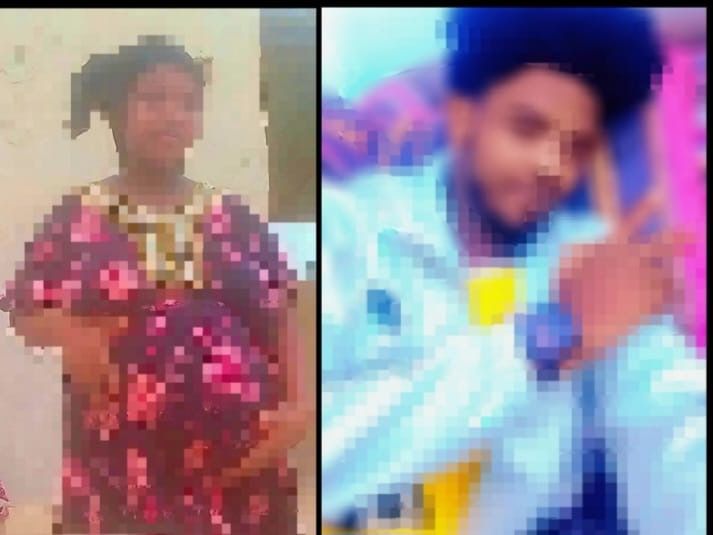
As the weeks passed, Furtuna was left facing pregnancy, childbirth, and the prospect of raising a child without knowing whether the man she loved was alive or would ever return. Alongside the fear for his safety was the immediate question of how she would survive and care for her baby. On 11 October 2026, Furtuna went into labour. Surbana helped arrange for her to reach the hospital, where a doctor determined that she could not safely deliver naturally and required a caesarean section. The operation was scheduled for 13 October and was expected to be expensive.
The cost of the operation presented an unexpected financial challenge, as it had not been included in Surbana’s budget. Nevertheless, on 12 October, Surbana sent money to help cover the operation, transport, and medication. The decision was made because the safety of the mother and child could not wait for funding to become available.
On 13 October 2026, Furtuna underwent a caesarean section and gave birth to a baby girl, whom she and her partner had named Rufta, hoping that her arrival would mark an end to all their troubles.
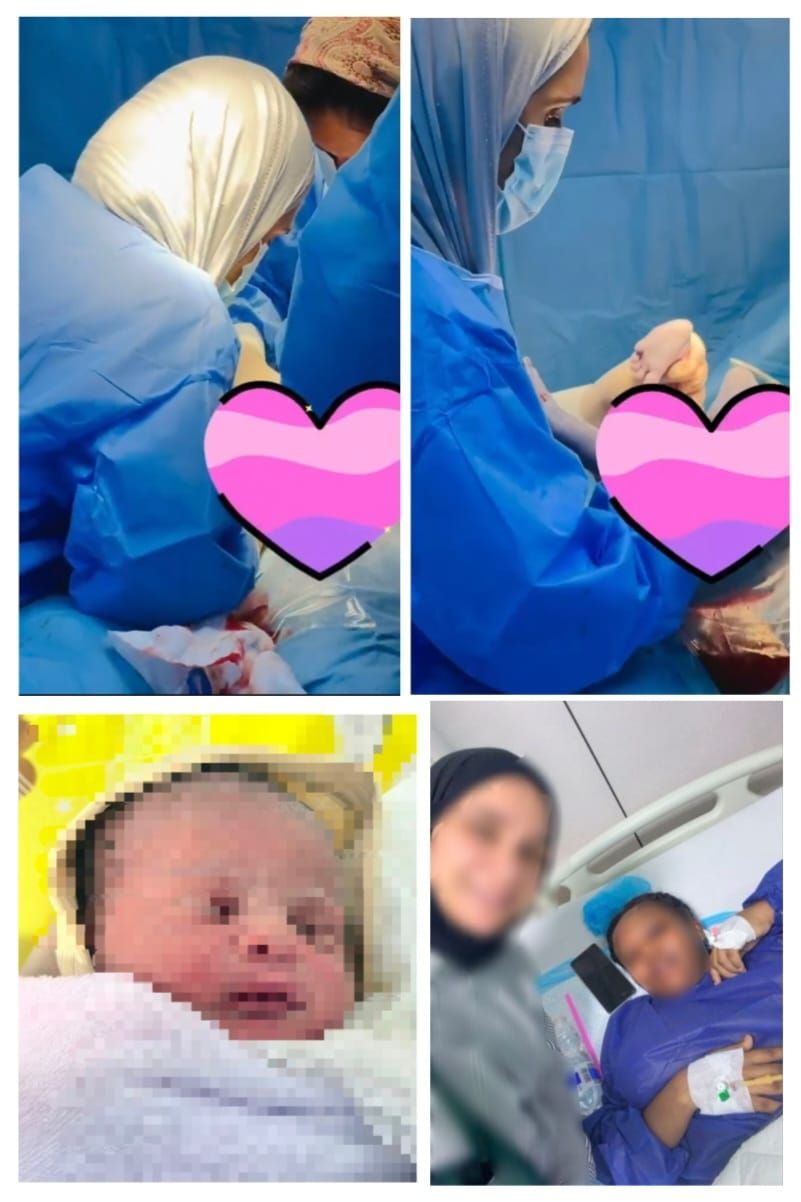
After everything she had endured, the birth of her daughter should have been a moment of uncomplicated joy. Instead, even the most basic requirements of caring for a newborn quickly became another struggle.
A Small Act of Kindness in the Same Hell
On the day she gave birth, while travelling by taxi, Furtuna stopped at a pharmacy to buy milk and nappies for her baby. When the shopkeeper realised that she could not afford them, he gave them to her free of charge.
It was a small act of kindness, but one that made a real difference to a mother who had just undergone major surgery and was trying to provide for her newborn in desperate circumstances.
Why should a new mother have to rely on strangers for her baby’s basic needs? The kindness of the shopkeeper deserves recognition. Yet the circumstances that made such kindness necessary point to a much larger problem: a mother and her newborn should not have to depend on chance encounters with compassionate strangers to obtain essential supplies.
After the birth, a woman associated with the hospital brought Furtuna clothes for the baby and some food. According to Furtuna, however, the woman’s attitude changed after she learned that Furtuna was Eritrean. She was told not to eat the food, which was subsequently taken away by a hospital worker. She was also told to leave the hospital.
At a moment when she was physically vulnerable and caring for a newborn, Furtuna found herself facing another distressing situation. Dr Melak intervened and allowed her to remain temporarily. Dr Melak is a pseudonym used to protect the doctor’s identity.
On 14 October, Furtuna left the hospital with her newborn and went to stay with Suzi, a young Eritrean woman who offered practical support after Surbana contacted its volunteer through its WhatsApp group. Elsa, who had been following the case remotely, continued to check on their situation. This support helped provide some immediate relief, but it did not resolve the larger challenges facing the mother and child.
Isolation, Financial Hardship, and the Struggle to Survive
Before giving birth, Furtuna had been staying in an isolated location, in an area described as being almost agricultural land. Few people lived nearby who could offer assistance, leaving her particularly vulnerable when she needed food, transport, or medical care.
On one occasion, her partner’s friend and another companion brought her groceries and water. However, the landlord’s sons confronted and threatened them, warning them not to return. Frightened by the confrontation, the two men became reluctant to help further. After that incident, Furtuna could no longer reach them, even by telephone.
Her circumstances became increasingly difficult. She lacked food, faced pressure from her landlord to pay rent, and struggled to meet everyday expenses. On 29 September 2026, Surbana provided financial assistance to help cover rent, groceries, and taxi costs. Surbana continued monitoring her situation remotely, but the organisation’s resources were limited. Despite the assistance provided, Furtuna remained financially insecure and was unable to obtain some of the medication prescribed to her.
Her experience illustrates the gap between surviving an immediate crisis and achieving even a basic level of security. Escaping trafficking or other forms of exploitation does not automatically provide someone with safe accommodation, reliable access to healthcare, food, or the means to rebuild a life.
For Furtuna, the arrival of her daughter added another responsibility to an already precarious existence. She now had to protect and care for a newborn while dealing with her own recovery, the disappearance of her partner, and the continuing uncertainty of life in Libya.
Another Medical Emergency
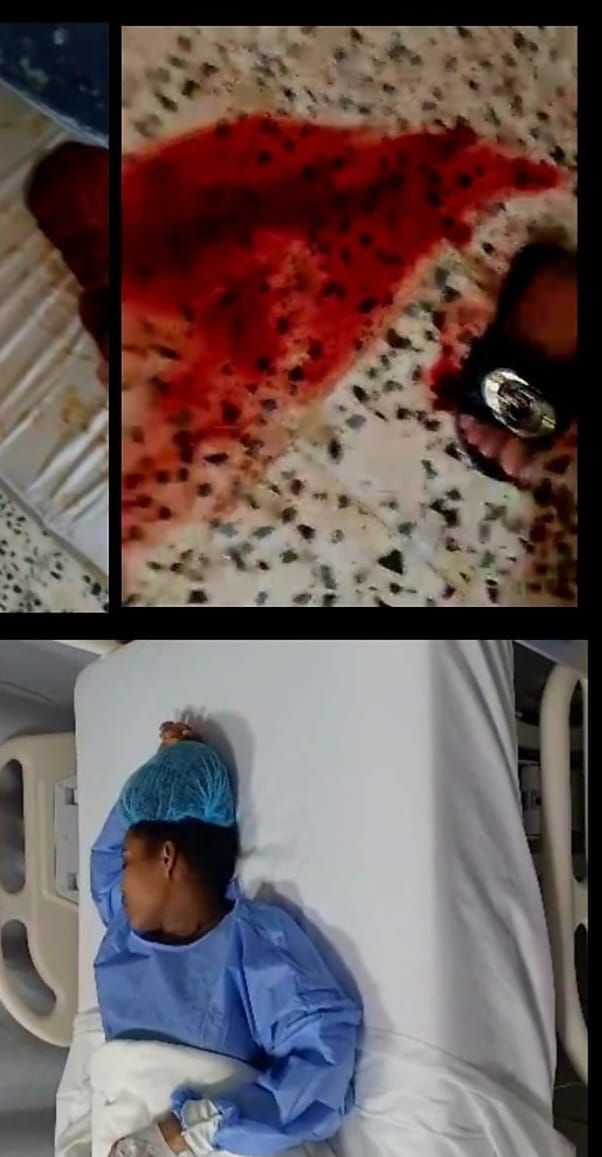
The crisis did not end with childbirth. On the night of 16 October, Furtuna developed a fever and began experiencing heavy bleeding. She became weak and dizzy and struggled to stand properly.
Elsa, a Surbana staff member whom survivors affectionately refer to as “Mama Elsa,” was monitoring Furtuna remotely. During a video call, she saw how seriously unwell Furtuna was and contacted Dr Melak for assistance. Dr Melak was working at another hospital that day. She advised Elsa to send Furtuna to the hospital where she had given birth and said she would contact the staff there to let them know that Furtuna needed medical attention. Elsa also contacted the hospital directly to request an ambulance, but her attempts to arrange one were unsuccessful. With Suzi’s help, Furtuna was therefore taken to the hospital by taxi.
However, reaching the hospital did not mean receiving timely treatment. According to the account provided to Surbana, Furtuna was left waiting for more than five hours despite being severely unwell and experiencing heavy bleeding. The same hospital staff member who had previously taken away her food reportedly failed to provide the assistance she needed during this period. This was particularly distressing because Furtuna had recently undergone major surgery and was caring for a newborn.
When Elsa learned that Furtuna was still without medical assistance, she contacted Dr Melak again and urgently explained the situation. Dr Melak left her duties at the other hospital and went to help Furtuna in person. According to the account relayed to Surbana, Dr Melak attempted to intervene, but the doctor responsible for the hospital refused to allow her to treat Furtuna and reportedly told her that Furtuna should go home.
Dr Melak insisted that they had a responsibility to save Furtuna’s life. Faced with the demand for payment, she sought to ensure that Furtuna received the treatment she urgently needed. Finally, the hospital demanded an upfront payment for the procedure needed to stop the bleeding.
When Dr Melak informed Surbana of the situation, Surbana arranged an emergency transfer to help save Furtuna’s life. The money had been sent, but the transfer had not yet arrived when Dr Melak intervened.
Without knowing that Surbana had sent the money, Dr Melak treated Furtuna without charging her, successfully stopped the bleeding, and provided 150 Libyan dinars to cover essential medication and transport home. She also helped ensure that Furtuna could leave the hospital after receiving the necessary intervention, with follow-up care arranged.
Dr Melak’s actions demonstrated a commitment to medical responsibility and compassion at a moment when Furtuna’s life was at risk. She acted despite the refusal of the hospital’s responsible doctor and without waiting for the promised financial assistance to arrive. Her intervention was more than an act of professional duty; it was an act of humanity. While the hospital’s reported response raises serious concerns about access to emergency care, Dr Melak’s actions show how one individual’s determination can make a life-saving difference.
The incident also highlights the precarious nature of her access to healthcare. A medical emergency can arise without warning, and the cost of treatment can become an insurmountable barrier for someone with no reliable income or support network.
Survival Must Be the Beginning of Protection
Furtuna’s story is not only about the suffering she has endured. It is also about the people who have stepped in to help her: the shopkeeper who provided milk and nappies, Suzi who offered accommodation, Elsa who continued following her situation remotely, and Dr Melak who intervened during a medical emergency.
Surbana has supported Furtuna through several stages of her ordeal, from earlier trauma to the funding needed for childbirth and the response to her latest medical crisis. This assistance has been possible despite limited resources and the difficulty of responding to urgent, unpredictable needs. But humanitarian assistance, particularly when provided by organisations with limited funding, cannot substitute for a dependable system of protection.
Furtuna and her daughter need consistent support, including safe accommodation, food, medication, medical follow-up, and the basic necessities required to care for a newborn. They also continue to live with the uncertainty surrounding her missing partner.
Her experience raises difficult questions about the protection available to people who have survived trafficking, violence, and exploitation. What happens when a survivor needs medical treatment but cannot afford it? What happens when a mother leaves hospital without secure accommodation or the means to feed her child? And what protection exists for those who remain vulnerable long after the immediate crisis has passed?
These are not abstract questions. They concern the daily lives of people whose circumstances leave them dependent on limited humanitarian assistance and the goodwill of individuals. A survivor should not have to fight for her life, grieve in uncertainty, and struggle to feed her child. Survival must be the beginning of protection, not the end of our responsibility.
Where on earth are the international community and the United Nations when they are needed most?
True to its mission, Surbana is not waiting; it remains committed to documenting missing citizens, empowering Eritrean children through the Bana School in Egypt, and providing humanitarian support to refugees, migrants, and other vulnerable communities.
Surbana continues to act despite having no dedicated budget. Will you help Surbana help others?